
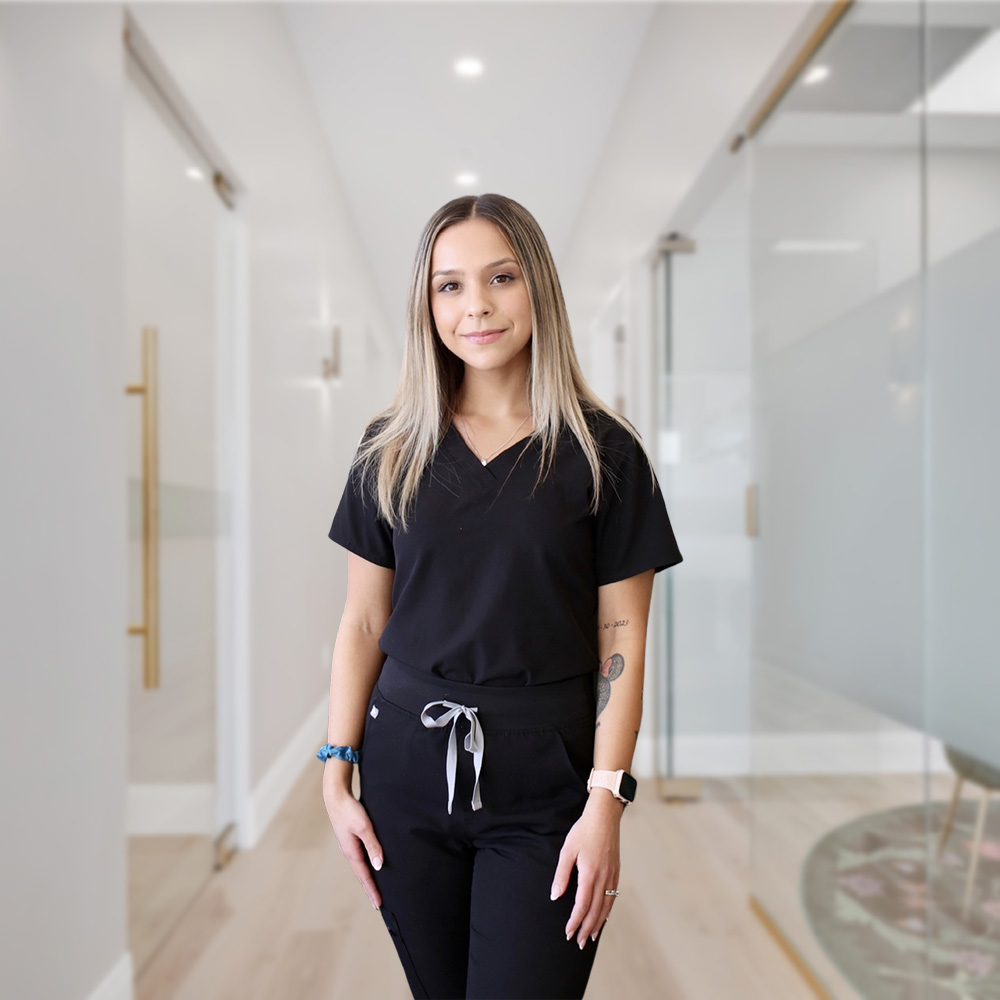
Late summer can be a useful time to think about your skin goals for the months ahead. Perhaps you have noticed uneven colour, would like smoother texture or have been considering treatment for old acne scars. Before choosing a procedure, it helps to identify your main concern and decide what kind of improvement would actually matter to you.
A good fall treatment plan begins with a clear goal, an appropriate assessment and enough room for recovery. The season can make scheduling easier for some people, but a calendar date does not establish that your skin is ready for treatment.
At Elevate Dermatology in Pickering, we take a team approach to aesthetic care. Our aesthetician can help you discuss your concerns, skin-care routine and treatment goals, while our on-site board-certified dermatologists can assess medical concerns and help determine which procedures are appropriate. This guide will help you prepare for that conversation and build a realistic treatment plan for the months ahead.
Start with the concern, not the device name
“Rejuvenation” can mean very different things. If you choose a treatment based only on that word, you may receive a change that is pleasant but does not address the reason you booked.
Try finishing one sentence: “The thing I most want to improve is…” Be specific enough that someone else can understand it without guessing.
| Your main concern | What to clarify at consultation |
|---|---|
| Brown spots or uneven colour | What is causing the pigmentation, and are all the spots the same type? |
| Roughness or dullness | Is the issue surface texture, irritation, dryness or something else? |
| Fine lines | Which lines are likely to change with the proposed treatment? |
| Acne scars | Are you concerned about colour, indentations, raised areas or a combination? |
| Persistent redness | Does the skin need a medical diagnosis or treatment before cosmetic planning? |
Tell us which goal matters most. At Elevate Dermatology, our dermatologists can help assess medical issues behind pigmentation, redness or scarring, while our aesthetician can help you discuss the cosmetic changes you hope to see. Ranking those concerns makes it easier to understand what each proposed step would contribute.
Separate sun damage from a changing lesion
Cosmetic planning should not bypass medical assessment. A new or changing spot, a lesion that repeatedly bleeds or an area that does not heal needs attention before it is treated as an appearance concern.
Our guide to having a mole checked explains what information to bring. If you are unsure whether a mark is a sun spot, say so when booking rather than selecting a pigmentation procedure first.
The AAD’s guide to treating sun-damaged skin also distinguishes cosmetic changes from skin findings that may require medical care. A useful consultation can redirect the plan when the diagnosis calls for it.
Why fall can be convenient, but is not a guarantee
For someone whose summer involves regular swimming, outdoor sport or travel, autumn may offer a more predictable recovery window. Work and school routines can also make follow-up easier to organise.
However, recent tanning, upcoming travel and ongoing exposure still matter. A September appointment immediately after a sunny holiday may be less suitable than a carefully planned appointment at another time. Our summer laser guide explains why exposure and aftercare matter more than the month alone.
Write your real commitments on the calendar before discussing dates. Include outdoor work, family events, trips and activities you would find difficult to pause. This gives the treating clinician useful information rather than leaving you to fit restrictions around an already-booked course.
Understanding the treatment options you may encounter
At Elevate Dermatology, you can explore these options with our team after explaining what you would like to improve. Paulina can help you clarify the cosmetic goal and routine, while our dermatologists assess medical concerns and procedure suitability. The purpose of having several technologies available is to support that discussion, not to create a list of treatments everyone needs.
Clear + Brilliant for a gradual refresh
Clear + Brilliant is commonly discussed for early signs of photoaging, softness and radiance. Its manufacturer describes treatment courses tailored to patient goals, with some people choosing ongoing maintenance. Clear + Brilliant Canada’s patient information outlines the intended experience.
If you are considering Clear + Brilliant in Pickering at Elevate Dermatology, explain what a worthwhile improvement would look like to you. A subtle refresh and a major change in established scarring are different expectations. Ask how the recommendation fits your goal and when progress would be reviewed.
Fraxel for selected resurfacing concerns
Fraxel may be discussed for sun damage, wrinkles and selected scars. The exact platform and settings matter, and a treatment plan may involve several sessions. Fraxel Canada’s information describes its indications and treatment process.
Learn more about Fraxel and come to your consultation prepared to discuss your specific concerns. Ask separately about the likely effect on colour, texture and scars instead of assuming one overall improvement applies equally to every feature.
More intensive resurfacing and other technologies
Ablative resurfacing involves a different degree of tissue treatment and recovery than lighter non-ablative procedures. The ASDS explains ablative resurfacing and recovery. If this type of treatment is being considered, it is important to understand the expected recovery, aftercare and follow-up before proceeding.
Secret PRO offers fractional CO₂ resurfacing and RF microneedling options. These are distinct technologies that may be considered for different skin concerns and treatment goals. As with any energy-based procedure, appropriate patient selection, treatment planning and aftercare are important. The FDA has published guidance on potential risks associated with certain uses of RF microneedling. Your provider should discuss suitability, expected recovery, potential risks and alternatives as part of your consultation.
Redness and pigmentation may need another approach
Different laser and light systems target different concerns. XEO+ offers several treatment options that may be considered depending on your skin concerns and assessment. Having multiple technologies available allows treatment recommendations to be tailored to the individual rather than assuming one approach is appropriate for every type of pigmentation or redness.
If your main concern is a recurring facial rash, melasma or ongoing acne, mention this during your consultation. In some cases, the appropriate first step may be medical assessment or management before considering a cosmetic procedure.
Set realistic treatment goals
When discussing examples with our team, ask which treatment was used, how many sessions were involved and when the photographs were taken. Comparable lighting and a clear history make images more useful. Tell us which feature in an example interests you so the conversation stays connected to your own goal.
Set a goal that can be reviewed: less noticeable roughness in a particular area, a change in specified spots or improvement in selected scars. “Perfect skin” does not give either you or the clinician a practical way to assess progress.
It is also reasonable to ask what is unlikely to change. Knowing the limits beforehand can prevent disappointment and help you decide whether the expected benefit is worth the time, recovery and cost.
Give recovery its own place in the calendar
Do not count only the treatment appointment. Preparation, numbing if used, travel home, early aftercare and follow-up all take time. Some changes can be visible after you feel physically comfortable again.
Non-ablative procedures can have a different recovery profile from more intensive resurfacing, but they still require appropriate selection and aftercare. The ASDS non-ablative rejuvenation guide describes possible reactions and gradual results.
When planning, ask about three separate milestones: returning to ordinary work, returning to exercise and being comfortable at a photographed event. The answers may differ. Allow additional flexibility for a first treatment because your individual response is not yet known.
If you are travelling to the clinic for treatment, include the possibility of a review appointment when planning your schedule. Convenience is part of a workable plan, especially if the treatment involves a series of visits rather than a single appointment.
Keep home care steady before adding procedures
Bring your actual routine to Elevate Dermatology, including prescription products and recent changes. Paulina can help you discuss the cosmetic steps and how they fit your goals; our dermatologists can advise on medical treatment questions. Preparation for a procedure should follow the treating clinician’s instructions, rather than an intensive exfoliation plan started on your own.
If a product is causing irritation, mention it. If you have several unopened products waiting to be tried, ask which are relevant and which can wait. A familiar, tolerated routine makes it easier to understand any changes around treatment.
There is no need to purchase an entire new range simply because you are considering a procedure. Ask which aftercare products are necessary, what you already own that may be suitable and what should be avoided temporarily. Those questions also make the total cost clearer.
Plan a sequence rather than booking everything at once
A staged plan creates opportunities to assess response before adding another intervention. Ask what the first step is meant to achieve and what would justify moving to the next one.
If more than one provider is involved, make sure each knows about the others’ treatments and products. Keep the names and dates in a simple note on your phone. A peel, injectable appointment and laser session should not be scheduled independently without checking the recommended spacing.
You can also ask what happens if you decide to stop after the first stage. An informed choice includes understanding whether a package is optional, how reassessment works and what maintenance might involve.
Comparing costs without losing sight of the goal
Ask our team for the cost of the specific plan you are considering, including the area and proposed number of visits. Clarify what consultation, follow-up and aftercare costs apply before deciding. Pricing can vary depending on the treatment, area and recommended number of sessions, so it is important to understand the cost of your individual treatment plan before deciding.
Then compare the quote with your priorities. A less expensive session may address a different area or offer a different degree of change. Conversely, a more intensive procedure is not automatically better value if you do not need that level of treatment.
It can help to write a short decision note after consultation: expected benefit, main limitations, recovery commitment, full course cost and alternatives. Read it again before booking. A clear explanation should remain understandable once you are away from the clinic.
Frequently asked questions
Is autumn the best time for laser treatment?
It can be convenient when exposure and schedules are easier to manage, but suitability is individual. Recent tanning and the ability to follow aftercare matter regardless of season. Ask the clinician to assess timing rather than relying on a general seasonal rule.
Should I book a consultation before choosing a device?
Yes. Arrive with your goals and questions, and use the consultation to understand the recommendation. A device name is not a diagnosis or a complete treatment plan.
Can an aesthetician help me choose medical treatment?
At Elevate Dermatology, we use a team approach. Our aesthetician, Paulina, can review your cosmetic concerns, discuss your current skin-care routine and help you clarify what you would like to improve. We also have board-certified dermatologists on site who can assess medical concerns, discuss prescription options when appropriate and determine whether a proposed medical procedure is suitable for your skin. This allows us to bring cosmetic goals and medical expertise into the same conversation, with each team member contributing within their role.
How many appointments should I budget for?
Ask for an initial course estimate and a review point. The recommendation can change with response, so clarify which visits are proposed, which are optional and what maintenance might involve.
Should I treat old acne scars before active acne?
Discuss the sequence with a dermatologist. Ongoing acne can create new marks or scars, so controlling active disease is an important part of planning. A cosmetic scar course should not replace that assessment.
Can I have treatment immediately before a wedding?
Avoid assuming a first treatment will fit a last-minute deadline. Share the date, travel plans and your tolerance for visible recovery. A clinician may recommend more time or postponing a procedure until afterwards.
Do I need to change all my skin care first?
Not necessarily. Bring what you already use and ask which changes are actually needed. A simple, tolerated routine can be more practical than introducing several new products just before treatment.
What if I am unsure after the consultation?
Take time to consider the written plan and ask follow-up questions. You should understand the goal, alternatives, risks, cost and recovery before proceeding. A consultation can be useful even if you choose not to book a procedure.
Preparing for fall care at Elevate Dermatology
Use late summer to clarify your goals and gather the information that will make a consultation productive. Bring your current products, previous treatment dates, relevant skin history and the commitments that affect your calendar.
Explore aesthetic care at Elevate Dermatology or contact our Pickering team to explain your goals. You can bring routine and preparation questions to Paulina and medical suitability questions to our dermatologists through the relevant appointments. Our team can help you understand which conversation to start with, without needing a device already selected.