
Choosing a laser treatment can feel confusing when several options promise smoother texture, a brighter complexion and healthier-looking skin. Fraxel® and Clear + Brilliant® often appear on the same shortlist, but understanding their differences takes more than comparing before-and-after photographs.
If you are considering laser skin resurfacing, the more useful question is which treatment fits the concern you want to improve, the recovery you can accommodate and the way your skin responds to inflammation. Your answer may be different from someone with a similar age or complexion.
Clear + Brilliant is generally considered for subtle texture changes, radiance and early signs of sun damage, while Fraxel is often considered for more established damage and selected scars. That is a starting point for a consultation, rather than a ranking: the exact device, wavelength and treatment settings matter.
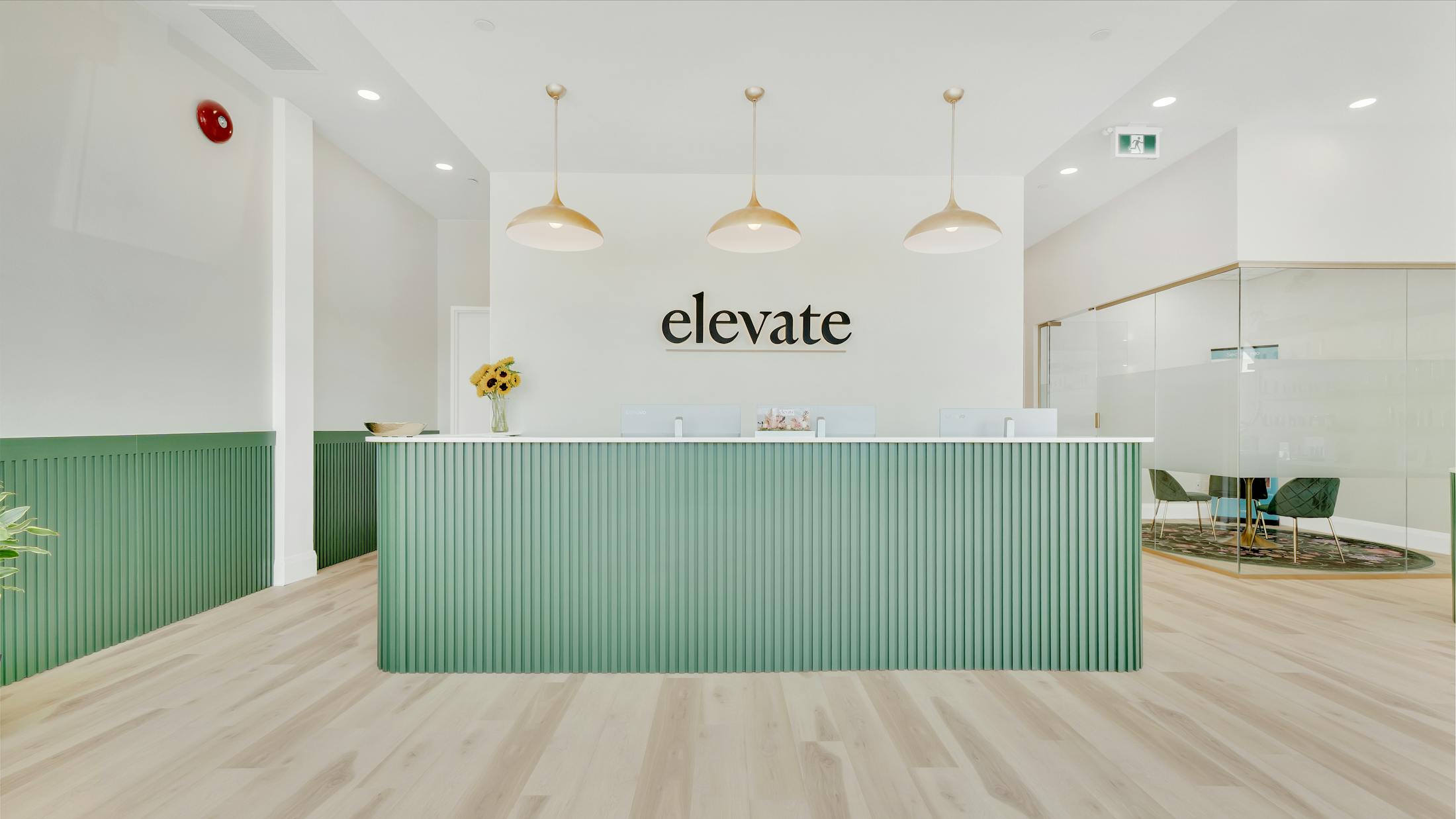
At Elevate Dermatology in Pickering, we offer both Fraxel and Clear + Brilliant. Our team approach gives you space to discuss cosmetic goals with our aesthetician, Paulina, while our on-site board-certified dermatologists can assess medical concerns and treatment suitability. You do not need to choose between the two lasers before speaking with us.
Fraxel vs. Clear + Brilliant at a glance
The comparison below describes common treatment goals. An individual recommendation may differ after your skin has been examined.
| Consideration | Fraxel | Clear + Brilliant |
|---|---|---|
| Typical consultation focus | More established sun damage, wrinkles, uneven texture and selected acne or surgical scars | Radiance, early photoaging, mild texture concerns and the appearance of pores |
| Treatment approach | A more intensive resurfacing option, depending on the wavelength and settings | A gentler fractional resurfacing option, with different handpieces available |
| Recovery planning | Allow for visible recovery over several days; obtain a personalised estimate | Usually less visible downtime, although temporary redness, swelling and roughness can occur |
| Treatment course | May involve multiple sessions tailored to the concern | Often planned as a series, with optional ongoing maintenance |
| Main decision | Does the expected correction justify the recovery for your particular concern? | Is the expected degree of improvement enough to meet your goal? |
| What needs assessment | Skin type, diagnosis, previous treatments, pigmentation risk and medical history | The same factors still matter, even with a gentler treatment |
This is a clinical comparison of treatment roles, not a comparison of results from a head-to-head trial. The sections below explain the supporting evidence and practical limitations.
What do fractional and non-ablative mean?
A fractional laser treats many microscopic areas of skin with untreated tissue between them. Non-ablative treatment uses heat to produce a controlled tissue response without removing the entire surface layer. Healing and tissue remodelling can gradually improve the appearance of treated skin. The American Society for Dermatologic Surgery explains this process, including why improvement can develop over months.
Both terms describe an approach, rather than a fixed strength. Two fractional treatments can differ in their depth, coverage and recovery. That is why a friend’s experience, or the name of a laser alone, cannot tell you exactly what your appointment will involve.
This article focuses on non-ablative Fraxel resurfacing, including the commonly discussed DUAL platform. Fraxel is a brand family; confirm the specific system proposed for you. Descriptions of another platform or ablative resurfacing should not be used to predict your recovery.
Why the wavelength matters
Fraxel DUAL uses 1550-nm and 1927-nm wavelengths. The manufacturer’s Canadian information lists scar and wrinkle indications for the 1550-nm wavelength and superficial pigmented-lesion indications for 1927 nm. Fraxel Canada provides the device indications.
Clear + Brilliant has an Original 1440-nm handpiece and a Perméa 1927-nm handpiece. Published research describes different treatment depths for these handpieces. Sharing a wavelength number with another device does not make the treatments equivalent: energy, coverage and delivery also shape the response. Read the clinical study on the combined wavelengths.
You do not need to choose settings yourself. A useful question is: “Which handpiece or wavelength would you use for my concern, and why?”
Which concerns are you trying to improve?
Tell our team what you would most like to change: brown spots, rough cheeks, fine lines or shadows from old acne scars. At Elevate Dermatology, our dermatologists can help separate those concerns and discuss which of our treatment options may be relevant. That makes the comparison more useful than choosing the laser with the most dramatic photograph.
Dullness, early texture changes and visible pores
Clear + Brilliant is commonly discussed when the aim is a refreshed appearance with a relatively manageable recovery. Its Canadian manufacturer describes improvements in softness, brightness and the appearance of pores. Clear + Brilliant Canada’s patient information outlines these treatment goals.
It is worth identifying what you would consider a worthwhile change. Would smoother makeup application satisfy you? Are you hoping to improve a few areas of roughness? Or are you expecting a substantial change in deep lines? A consultation should make that distinction explicit before you commit to a course.
Pore appearance is also a more realistic outcome to discuss than “pore removal.” Ask how improvement would be assessed and whether photographs under consistent lighting will be part of follow-up.
Sun spots and uneven pigmentation
“Pigmentation” is a broad description. Brown marks may have different causes, and those causes influence treatment. The American Academy of Dermatology stresses that identifying the cause of dark spots comes first.
At your assessment, explain when the marks appeared, whether they followed acne or irritation, and whether they change with sun exposure. Bring photographs if the appearance varies over time. This history can be more useful than arriving with a preferred laser already selected.
If a spot is new, changing or unlike your other marks, point it out before discussing cosmetic treatment. The AAD notes that something resembling an age spot may need a different diagnosis. Read its guidance on assessing age spots.
Acne scars and more pronounced texture concerns
Fraxel’s scar indications make it relevant to a discussion about established acne scarring. However, improvement should not be interpreted as complete removal. The AAD’s guidance on laser treatment for scars explains that laser treatment can make scars less noticeable and that more than one treatment approach may be needed.
Our dermatologists at Elevate Dermatology can assess the scars themselves and any ongoing acne before you commit to resurfacing. Tell us if the indentation is your main concern, rather than colour or overall brightness. This helps us distinguish between treating active acne and addressing the marks or scars it has left behind.
Our guide to RF microneedling for acne scars introduces another option you may encounter during treatment planning.
Fine lines and an ageing complexion
An assessment should distinguish surface changes from other features of facial ageing. The ASDS overview of ageing skin describes the contributions of both time and sun exposure, along with the range of available treatments.
Rather than asking which laser makes someone look youngest, ask which visible features the treatment is expected to change. It is reasonable to request a separate answer for fine lines, uneven colour and deeper creases. That keeps the discussion specific enough to support an informed decision.
How much downtime should you plan for?
Downtime has several meanings: discomfort, visible changes, restrictions on activities and the time before you feel comfortable at a public-facing event. Ask about each separately. Being able to work from home does not necessarily mean your skin looks or feels fully recovered.
After Clear + Brilliant
The manufacturer’s manual describes redness and swelling that usually diminish or resolve within 12–24 hours, with some reactions lasting longer. Dryness, flaking and temporary sensitivity can also occur. Those effects explain why “minimal downtime” does not mean an entirely invisible recovery. See the Clear + Brilliant operator manual.
For planning purposes, ask whether the proposed treatment is compatible with your work schedule and what to do if recovery takes longer than expected. Someone working remotely may make a different scheduling choice from someone attending an interview the next morning.
After Fraxel
Plan more room in your calendar for a non-ablative Fraxel treatment. As one clinical reference point, UAB Medicine’s resurfacing guidance lists approximately three to five days of social downtime for Fraxel DUAL, depending on intensity. This is an example, not a promise about an individual appointment.
Your own estimate should come from the treating clinician and account for the area, settings and your history. Ask whether redness, swelling, roughness or peeling could still be noticeable when you intend to return to meetings or social plans.
It is also useful to arrange your journey home, check when follow-up is available and keep the aftercare instructions accessible. These small preparations make recovery easier to manage without trying to predict the exact day every symptom will disappear.
What happens before and during an appointment?
The consultation should establish the diagnosis, discuss alternatives and review your medical history. Tell the clinician about previous procedures, your current skin care, medications and supplements. Include any history of cold sores, unusual scarring or pigment changes after irritation. The AAD’s laser-treatment guidance explains why this information matters.
You may receive instructions to adjust particular skin care products before treatment. Obtain those instructions directly; do not stop prescribed medication on your own.
For Fraxel DUAL, manufacturer information describes topical anaesthetic and cooling to help manage heat during treatment. The appointment includes preparation as well as time using the device, so ask for the total visit length when arranging your day. Fraxel’s patient FAQs describe the procedure.
Before starting, you should understand the comfort measures, eye protection, expected immediate response and how to contact the clinic afterwards. Ask questions while you have time to consider the answers, rather than leaving them until treatment is about to begin.
Aftercare: what should you clarify before going home?
A useful aftercare plan answers practical questions in writing:
- Which cleanser, moisturiser and sunscreen should I use, and when?
- When can I resume makeup, retinoids, exfoliating acids and other usual products?
- How long should I avoid strenuous exercise, swimming, saunas or other heat exposure?
- Which changes are expected, and which should prompt a call?
- Who should I contact outside the clinic’s normal hours?
The answers can differ between protocols. Instructions supplied for your actual treatment should take precedence over a generic recovery schedule from the internet.
Sun protection deserves particular attention. The AAD advises avoiding a tan and using shade, protective clothing and broad-spectrum SPF 30 or higher around laser treatment. For a patient with an outdoor job, a holiday booked or regular outdoor sports, this is a scheduling issue to discuss before choosing a date. Read the AAD’s preparation guidance.
How many sessions will you need, and when will results appear?
Both treatments may involve a series. Clear + Brilliant’s manufacturer reports improvements after four to six treatments in cited studies, with some patients choosing ongoing maintenance. It describes softness and brightness becoming noticeable within a week or two. Those observations do not establish what every patient will experience. Clear + Brilliant patient FAQs.
Fraxel’s Canadian information describes an average course of three to five sessions in clinical studies and improvement developing over subsequent months. The number and spacing should be adapted to the condition being treated. Fraxel patient FAQs.
A practical plan should include a review point. Ask when photographs will be compared, what would count as a meaningful response and whether the next session depends on your progress. Buying a package should not replace reassessing whether the treatment is doing what you hoped.
What does the research tell us?
A prospective study of 28 participants examined four monthly treatments using both Clear + Brilliant wavelengths. It reported improvements in measures of photoaging at follow-up. The study was small, had industry support and did not compare the treatment directly with Fraxel. Its findings support a potential role in photoaging; they cannot establish superiority or an individual guarantee. Read the study and its disclosures.
When evaluating evidence or before-and-after images, ask whether the treatment shown used the same device, whether other procedures were involved and how long after treatment the photograph was taken. Comparable lighting and a clear treatment history make examples easier to interpret.
Skin tone, melasma and treatment risks
A gentle treatment still deserves a careful assessment. The AAD notes that darker skin is more prone to burns and dark marks after laser procedures, and recommends a clinician experienced in treating darker skin tones. AAD guidance on laser suitability.
Tell your provider if ordinary spots, minor burns or previous procedures tend to leave persistent marks. Ask how that history affects the recommendation, and whether a different approach or a test area would be useful. A broad statement that a device treats multiple skin types cannot replace that discussion.
Does either treatment help melasma?
Melasma needs its own treatment plan. The AAD describes sun protection and topical medication as common components, with laser or light treatment sometimes added for selected patients. A cosmetic laser comparison alone cannot determine whether a procedure is appropriate. AAD guidance on melasma treatment.
If your pigmentation has been diagnosed as melasma, ask how the proposed procedure fits into its longer-term management. Discuss the possibility of worsening pigmentation and what the plan would be if this occurred. It is sensible to establish those answers before committing to resurfacing.
What complications should be discussed?
Fraxel’s safety information lists potential complications including burns, infection, scarring, pigment changes and prolonged redness. Clear + Brilliant’s manual also describes possible complications, including pigment changes and infection. These should be covered during informed consent. Fraxel safety information and Clear + Brilliant manual.
Contact your treating clinic promptly for blistering, worsening pain, spreading redness or other changes outside the recovery instructions you were given. Ask about an after-hours contact before treatment so you know where to turn if you are concerned.
Comparing treatment costs in Pickering and Durham Region
A useful price comparison starts with a written treatment plan. A single-session quote does not tell you the likely cost of reaching your goal, particularly when a course or maintenance may be proposed.
Ask each provider to clarify the treatment area, recommended number of appointments, what preparation and follow-up include, and whether any aftercare products are charged separately. If a package is offered, ask about reassessment, expiry and what happens if your plan changes.
It can help to place three items beside each quote: the concern being treated, the expected degree of improvement and the recovery commitment. Two prices are difficult to compare when they describe different areas or aims.
For current treatment fees, contact our team for more information. An individual quote is more useful than a general internet price range that may refer to another device, another location or a different treatment area.
Frequently asked questions
Is Clear + Brilliant the same as Fraxel, or “baby Fraxel”?
No. “Baby Fraxel” is an informal nickname, not a device specification. They are separate systems. Ask for the actual device and treatment plan whenever you encounter shorthand that suggests they are interchangeable.
Which is better for acne scars?
Fraxel is generally the more relevant of these two options to discuss for established scars. Ask the clinician to assess your particular scars and explain what improvement is realistic, including whether additional approaches are needed. Clear + Brilliant should not be presented as an equivalent scar treatment simply because it also uses fractional technology.
Which is better for brown spots?
At Elevate Dermatology, our dermatologists can assess whether the marks are sun spots, melasma or another pigmentation pattern before advising on treatment. Bring photographs if their appearance changes. Because we offer both lasers, you can discuss their roles in relation to the diagnosis rather than assuming either is automatically the answer.
Which has less downtime?
Clear + Brilliant generally has less visible recovery. Nevertheless, make room for an individual response. If looking unaffected the following day is essential, discuss that requirement before booking rather than assuming the word “gentle” settles it.
Are the treatments painful?
Expect a discussion about heat, discomfort and comfort measures. Describe any previous difficulty with procedures or numbing products. Pain tolerance is personal, so a friend’s rating is less useful than understanding how your clinician will support you during the session.
Are they suitable for darker skin tones?
Our board-certified dermatologists can assess your skin and history of pigment changes when discussing laser suitability at Elevate Dermatology. Tell us if acne, minor injuries or earlier procedures left lasting marks, and ask how that affects the proposed approach. Your dermatologist can explain how your skin type and history of pigment changes affect which treatments may be appropriate.
Can I treat melasma with either laser?
Possibly in selected circumstances, but book an assessment of the melasma itself. Ask how a procedure would work alongside the rest of your management plan and what alternatives are available. Neither brand name establishes that laser treatment is the right next step.
When can I wear makeup or exercise again?
Use the instructions for your actual treatment. Ask for separate guidance about makeup, vigorous exercise, swimming and saunas, and explain if any of those activities are part of your work. Avoid borrowing a timeline from someone who had different settings or a different device.
Can I have treatment in summer?
Discuss your expected sun exposure. A summer appointment, outdoor work and a beach holiday create different planning demands. The useful question is whether you can follow the required precautions throughout recovery and afterwards, including any restrictions your clinician gives you.
How far ahead of a wedding or important event should I book?
Arrange the consultation well before the event. Share both the event date and any travel beforehand, then ask for a buffer that accounts for recovery and possible additional appointments. Avoid making your first experience with a procedure a last-minute experiment.
Will one Fraxel session replace several Clear + Brilliant sessions?
There is no reliable conversion formula. The sessions may be addressing different goals. Ask the provider to compare expected outcomes for your skin instead of comparing the number of appointments alone.
Can I have Clear + Brilliant after a course of Fraxel?
A clinician may discuss different treatments at different stages, but there is no automatic maintenance sequence. Clear + Brilliant’s manufacturer notes that specific combination studies are lacking. Ask whether another procedure adds a meaningful benefit before scheduling it. Manufacturer guidance on previous procedures.
How long will the results last?
Ask separately about the initial result and the longer-term plan. Which changes are you hoping to maintain? What would prompt another assessment? A useful discussion should include your skin care and sun exposure, rather than promising a fixed expiry date or permanent transformation.
Discuss Fraxel and Clear + Brilliant at Elevate Dermatology
You can start with Paulina to discuss cosmetic concerns and your routine, or raise medical questions with our dermatologists through the appropriate appointment. Our team can clarify that pathway when you contact us. Bring the concern you want addressed and any previous treatment history; choosing the device comes after understanding the goal.
If you live in Pickering or are travelling from Ajax, Whitby, Oshawa or elsewhere in Durham Region, consider the whole course when planning: consultation, treatment visits and follow-up. Ask about appointment length and availability so the practical arrangements fit the plan you are considering.
Explore our Fraxel treatment page, learn about Clear + Brilliant, or contact Elevate Dermatology to discuss your goals. A useful consultation should leave you understanding the recommendation, its limitations and what the next step involves.
This article provides general education. Treatment suitability, settings and aftercare require an individual assessment.