Acne scars, uneven skin texture, sun damage, and deeper wrinkles can be difficult to improve with skin care products alone.
For patients considering more advanced skin resurfacing, CO2 laser treatments may be an option for concerns such as acne scars, uneven texture, wrinkles and sun damage.
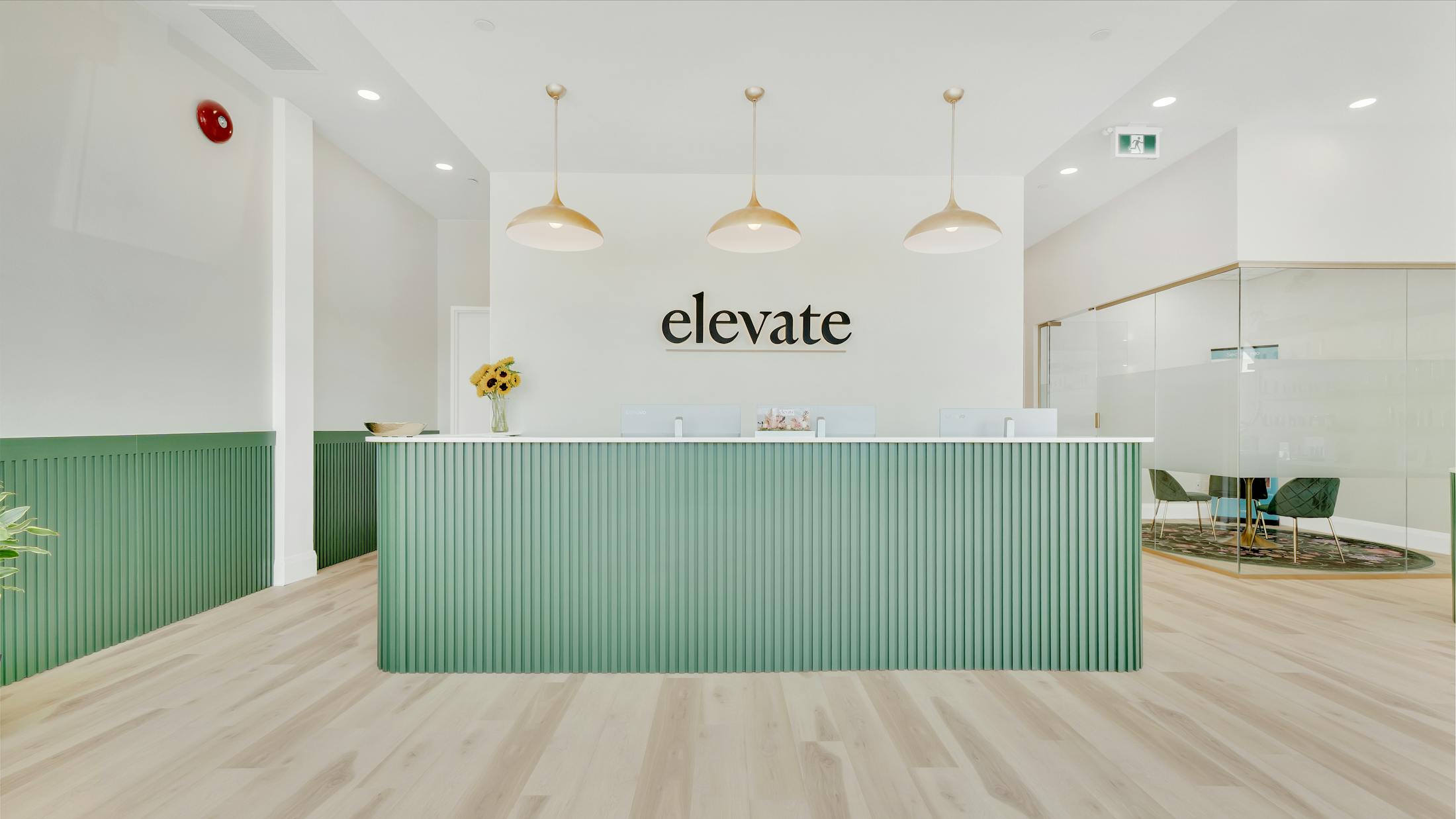
At Elevate Dermatology in Pickering, CO2 resurfacing is part of our Secret PRO treatment offering. Our board-certified dermatologists can assess the scars or texture changes that bother you and help you weigh the potential improvement against the recovery involved. You can come to that discussion with a concern rather than a device already chosen.
What Is CO2 Laser Resurfacing?
CO2 laser resurfacing is an ablative laser treatment used to address concerns such as acne scars, uneven texture, wrinkles and sun damage.
The treatment works by delivering controlled laser energy into the skin to create microscopic treatment zones while encouraging the skin’s natural healing response.
CO2 laser resurfacing is commonly used to improve:
- Acne scars
- Fine lines
- Wrinkles
- Uneven texture
- Sun damage
- Crepey skin
- Skin laxity
- Enlarged pores
Because CO2 resurfacing is more intensive than many non-ablative treatments, the potential improvement needs to be weighed against a more involved recovery.

How Does CO2 Laser Work?
CO2 laser resurfacing delivers controlled laser energy to targeted areas of the skin, creating microscopic treatment zones and triggering a healing response.
As the skin heals, new collagen formation and tissue remodelling can help improve the appearance of acne scars, uneven texture and wrinkles. This process continues gradually after treatment, which is why results are assessed over time rather than immediately after the procedure.
CO2 Laser for Acne Scars
One of the most common reasons patients pursue CO2 laser resurfacing is acne scar treatment.
Inflammatory acne can damage collagen within the skin, leading to depressed scars and uneven texture that may persist long after active breakouts resolve.
CO2 laser resurfacing may help improve:
- Atrophic acne scars
- Boxcar scars
- Rolling scars
- Uneven texture
- Surface irregularities
Bring the areas that concern you to our dermatology team, including any acne that is still active. An indentation, a raised scar and a flat dark mark are different treatment goals. Our dermatologists can assess ongoing acne alongside the scars or marks it has left behind and help determine which concerns should be addressed first.
CO2 Laser for Wrinkles and Sun Damage
CO2 laser resurfacing is also commonly used to address signs of skin aging and cumulative sun damage.
Over time, collagen loss and UV exposure can contribute to:
- Fine lines
- Wrinkles
- Texture changes
- Crepey skin
- Uneven pigmentation
- Loss of skin elasticity
CO2 resurfacing may improve the appearance of wrinkles, uneven texture and other selected signs of sun damage as the skin heals and remodels.
What Is Recovery Like After CO2 Laser?
Recovery is one of the most important considerations when planning CO2 laser resurfacing.
Because the treatment is more intensive than many non-ablative laser procedures, downtime is expected.
Following treatment, patients may experience:
- Redness
- Swelling
- Sensitivity
- Peeling
- Crusting
- Temporary skin tightness
Healing timelines vary depending on treatment intensity and individual skin response.
Following the aftercare instructions provided by your treating team, including appropriate skin care and sun protection, is an important part of recovery.
How Many Treatments Are Needed?
The number of treatments depends on the concern being treated, its severity, the treatment settings and your individual response. Factors that may influence your treatment plan include:
- Acne scar severity
- Treatment goals
- Skin condition
- Desired level of correction
Because healing and tissue remodelling continue after treatment, your dermatologist can advise when results should be assessed and whether another session should be considered.
CO2 Laser vs RF Microneedling
CO2 laser resurfacing and RF microneedling use different technologies and treat the skin differently. CO2 resurfacing is an ablative laser treatment, while RF microneedling delivers radiofrequency energy through microneedles at controlled depths.
The appropriate approach depends on the type of scarring or texture concern, your skin, treatment goals and the amount of recovery you can accommodate.
Who May Be a Candidate for CO2 Laser?
CO2 laser resurfacing may be appropriate for patients who:
- Have acne scars
- Want smoother skin texture
- Notice wrinkles or fine lines
- Have visible sun damage
- Are comfortable with downtime and recovery
At Elevate Dermatology, our dermatologists can help determine whether CO2 resurfacing fits your skin type, scar pattern and medical history. Tell us how much visible recovery you can realistically manage. That matters when comparing a more intensive resurfacing procedure with the other options available at our clinic.
Combining CO2 Laser With Other Treatments
CO2 laser resurfacing may sometimes be combined with other cosmetic dermatology treatments depending on the patient’s skin condition and treatment goals.
These may include:
- RF microneedling
- Medical-grade skin care
- Neuromodulators
- Skin boosters
- IPL treatments
- Collagen-stimulating treatments
If you are considering more than one treatment at Elevate Dermatology, tell our team about everything already booked, including procedures elsewhere. Our dermatologists can advise on suitability and sequencing; Paulina, our aesthetician, can help you discuss your cosmetic goals and current skin-care routine.
CO2 Laser in Pickering and Durham Region
Our clinic is in Pickering, with medical dermatology and cosmetic treatment options in the same setting. If you are travelling from elsewhere in Durham Region, include the recovery period and any follow-up when considering whether a course fits your schedule.
Use the consultation to put your priorities in order: which scars you want to address, what improvement would feel worthwhile and which activities are difficult to pause. We can help connect those goals to the treatment options available at Elevate Dermatology.
Discuss CO2 resurfacing with our team
You do not need to know whether CO2 is the right choice before contacting us. Start with the area you would like assessed and tell us about previous scar treatments, pigment changes or ongoing acne.
Read about Secret PRO at Elevate Dermatology or contact our Pickering team to discuss a consultation. Our dermatologists can help you understand where resurfacing may fit, what its limits are and whether another approach deserves consideration.