
Skin boosters have become one of the most sought-after cosmetic dermatology treatments for patients looking to improve overall skin quality, hydration, texture, and radiance without dramatically altering facial appearance.
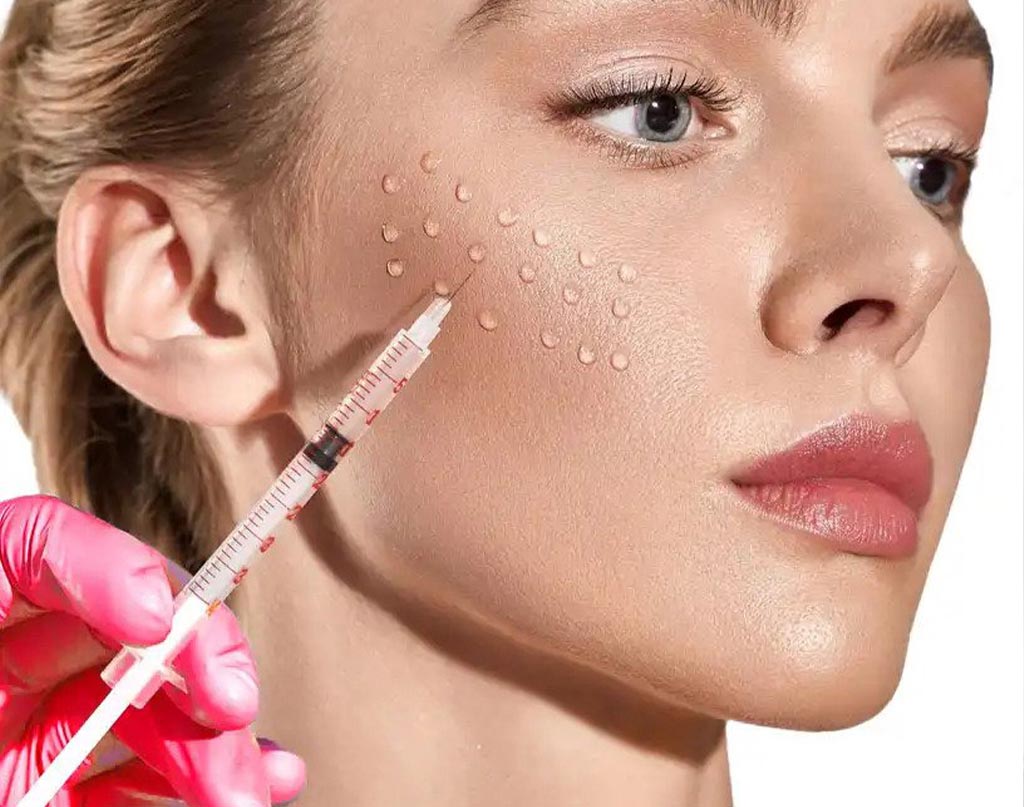
Unlike traditional dermal fillers that are designed to add volume or structure, skin boosters are intended to improve the skin itself. The goal is healthier-looking, more hydrated, smoother, and more luminous skin.
At Elevate Dermatology in Pickering, you can discuss skin-quality goals with our cosmetic team and medical suitability with our on-site dermatologists. If you want smoother-looking skin without a major change in facial contours, explain that preference early so the discussion focuses on the outcome you actually want.
What Are Skin Boosters?
Skin boosters are injectable skin rejuvenation treatments typically formulated with hyaluronic acid or other skin-supporting ingredients designed to deeply hydrate and improve skin quality.
Rather than creating volume in a specific area of the face, skin boosters are injected more superficially and evenly throughout the skin to improve:
- Hydration
- Elasticity
- Smoothness
- Texture
- Glow and radiance
- Fine lines
- Crepey skin quality
The treatment focuses on enhancing skin health from within.
Many patients describe skin boosters as creating healthier, fresher, and more refreshed-looking skin rather than an “overdone” cosmetic appearance.
How Do Skin Boosters Work?
Hyaluronic acid naturally exists within the skin and plays an important role in maintaining hydration and elasticity.
Over time, factors such as:
- Aging
- Sun exposure
- Environmental stress
- Lifestyle factors
- Loss of collagen
- Decreased skin hydration
can contribute to dullness, dehydration, fine lines, and loss of skin quality.
Skin boosters work by delivering hydrating ingredients directly into the skin where they help improve moisture retention and support healthier skin function.
Some treatments may also stimulate collagen production over time, helping improve skin texture and elasticity gradually.
Because the treatment is distributed across the skin rather than concentrated in one area, results often appear subtle, natural, and refreshed.
What Areas Can Skin Boosters Treat?
Skin boosters can be used on multiple areas of the face and body where patients experience dehydration, crepey texture, or declining skin quality.
Common treatment areas include:
- Cheeks
- Under-eye area
- Forehead
- Around the mouth
- Neck
- Décolletage
- Hands
- Jawline
Some patients also choose skin boosters to improve skin quality in areas affected by acne scarring, sun damage, or early signs of aging.
What Are the Benefits of Skin Boosters?
Patients often choose skin boosters because the treatment focuses on improving skin quality rather than changing facial structure.
Benefits may include:
- Increased skin hydration
- Improved skin texture
- Smoother appearance
- Enhanced radiance and glow
- Reduction in fine lines
- Softer crepey skin
- Improved elasticity
- More refreshed-looking skin
- Natural-looking rejuvenation
Many patients appreciate that skin boosters can complement other cosmetic treatments while still maintaining a subtle and natural appearance.
Who Is a Good Candidate for Skin Boosters?
Skin boosters may be suitable for patients who:
- Feel their skin looks dull or dehydrated
- Notice fine lines beginning to develop
- Want natural-looking rejuvenation
- Prefer subtle cosmetic improvements
- Experience crepey skin texture
- Want preventative anti-aging treatments
- Are looking to improve overall skin quality
At Elevate Dermatology, age alone is not enough to describe your goal. Tell our team whether the concern is dryness, texture, fine lines or a change in facial volume. Paulina can help you review your cosmetic priorities and routine; our dermatologists can assess medical concerns and advise on whether an injectable approach is suitable.
What Is Treatment Like?
Skin booster treatments are typically performed in-office and usually take less than an hour.
A series of small injections are placed strategically throughout the treatment area to distribute the product evenly within the skin.
Depending on the treatment plan, patients may require:
- A single treatment
- A series of initial treatments
- Maintenance treatments over time
Most patients experience minimal downtime, though temporary redness, swelling, or small injection marks may occur for a short period following treatment.
When Will You See Results?
Results from skin boosters typically develop gradually rather than immediately.
Many patients begin noticing improvements in hydration and glow within the first few weeks, while collagen-supporting benefits and texture improvements may continue developing over time.
Because the goal is skin quality improvement, the outcome is often more subtle and natural-looking compared to volume-based injectable treatments.
Skin Boosters vs Dermal Fillers
Skin boosters and dermal fillers are both injectable treatments, but they serve different purposes.
Skin boosters primarily focus on:
- Hydration
- Skin quality
- Texture
- Radiance
- Fine lines
Dermal fillers are more commonly used to:
- Restore facial volume
- Enhance contours
- Improve facial structure
- Add definition
Some patients may benefit from combining both treatments depending on their goals.
Combining Skin Boosters With Other Treatments
Skin boosters are often combined with other cosmetic dermatology treatments to create a more comprehensive skin rejuvenation plan.
These may include:
- Neuromodulators
- Microneedling
- Laser treatments
- RF microneedling
- Medical-grade skin care
- Chemical peels
- Collagen-stimulating treatments
If you are considering injectables alongside a laser or another treatment at Elevate Dermatology, share the whole plan with our team, including appointments elsewhere. Our dermatologists can advise on medical suitability and sequencing. You can also ask which part of your concern may be addressed through skin care before adding a procedure.
Discuss skin-quality goals with our team
Bring a description of the change you want rather than feeling you need to choose an injectable product in advance. “My skin feels dry” and “I want to restore volume” can lead to different conversations, even when both are described online as rejuvenation.
Explore injectable treatments at Elevate Dermatology or contact our Pickering clinic to discuss a consultation. Our aesthetician and dermatologists bring different expertise to the team, allowing you to raise everyday skin-care questions while keeping medical treatment decisions with the appropriate clinician.