

What Is a Lipoma?

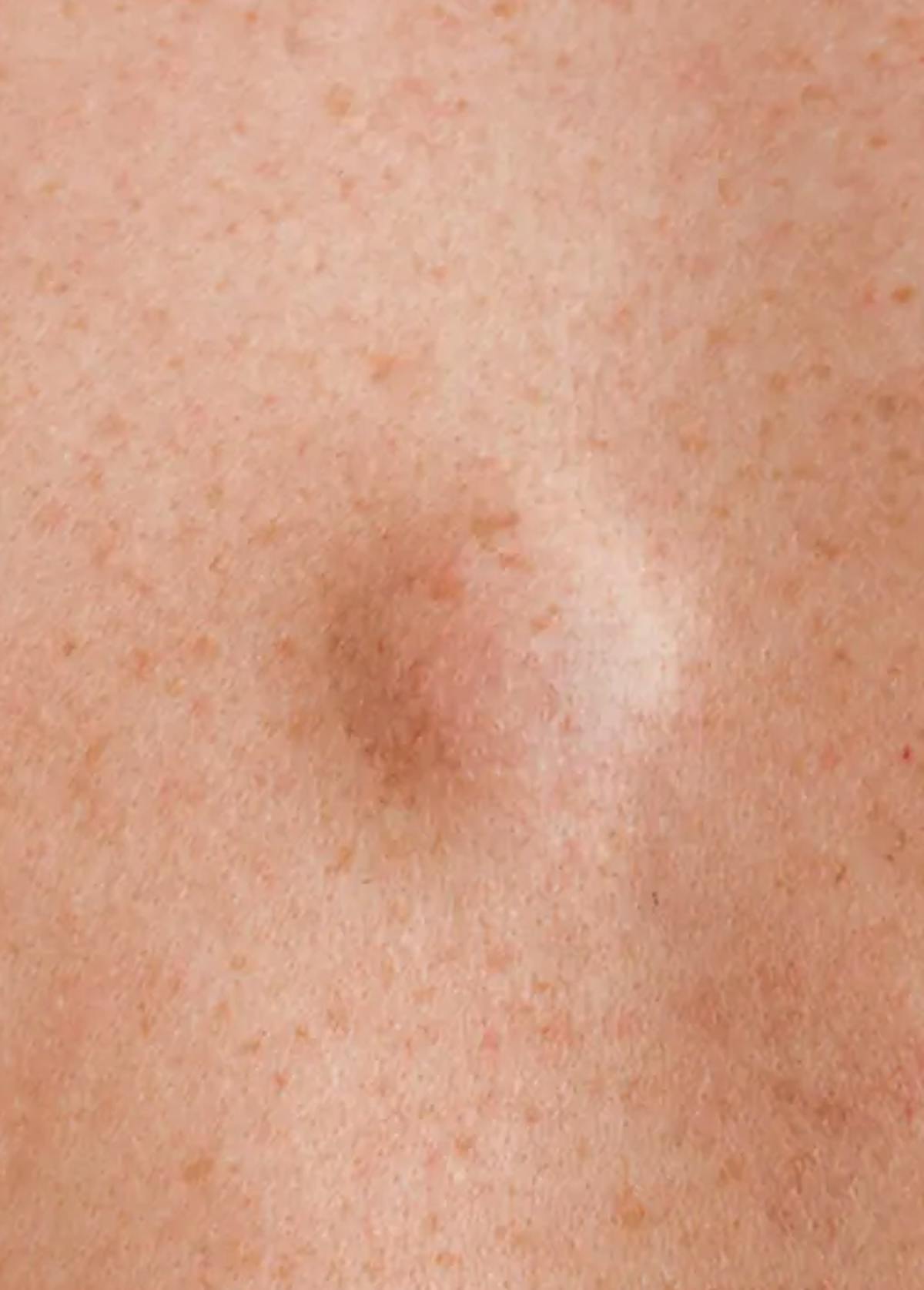
Lipomas are non-cancerous lumps composed of fat cells. They most often appear on the trunk, shoulders, upper arms, thighs, or neck, but they can occur anywhere. Lipomas usually feel doughy or rubbery, move slightly when pressed, and grow slowly over time.

Most lipomas are painless. However, some can cause tenderness or pressure if they sit near a nerve, are frequently irritated, or become large in areas where they rub against clothing or straps.

Common Signs and Features

Every lump deserves an appropriate assessment. While lipomas are typically straightforward, your dermatologist will evaluate key features to help confirm the diagnosis and identify when additional investigation is needed.

Soft, Mobile Lump

Often feels soft and can shift slightly under the skin when you press on it.

Slow Growth

Usually enlarges gradually over months or years rather than changing quickly.

Typically Painless

Many lipomas cause no symptoms, though some become tender depending on location or size.

Common Locations

Frequently seen on the torso, shoulders, upper arms, thighs, and neck.

Background media

When Should a Lump Be Checked?

Not every lump is a lipoma. You should book an assessment if a growth is rapidly enlarging, firm or fixed in place, painful, associated with skin changes, or located deeper than the typical soft, superficial layer. These features do not automatically mean something serious, but they do warrant a proper in-person evaluation.

If you are unsure what you are feeling, our team can assess the lesion, discuss likely causes, and outline next steps.

Why Patients Choose Lipoma Removal

Comfort

Removal can help when a lipoma rubs against clothing, sits under straps, or causes pressure and tenderness.

Appearance

Some lipomas become prominent or create an uneven contour, especially in visible areas.

Certainty

Many patients value a physician-led assessment and clear diagnosis before deciding on treatment.
Background media

Physician-led care

Assessment first, then a plan tailored to you. How Lipoma Removal Works

Your visit starts with a dermatologist evaluating the lump and confirming whether it is consistent with a lipoma. If removal is appropriate, we will explain the procedure, expected healing, and scar placement based on the location and size.

  • In-person assessment and diagnosis
  • Local anesthesia for comfort
  • Sterile technique in a medical setting
  • Careful closure designed to support a clean, tidy scar

When indicated, removed tissue may be sent for laboratory analysis to confirm the diagnosis.

Book a Consultation

What to Expect After Removal

Recovery depends on size and location, but most patients return to normal routines quickly. Your dermatologist will provide clear aftercare instructions to support healing and minimize scarring.

Downtime

Many patients resume usual activities the same day or the next day, with temporary limits on strenuous activity as advised.

Healing

You may have mild swelling, bruising, or tenderness for a short period. Stitches may be used depending on the site.

Scar Care

We provide guidance on wound care and scar optimization, including sun protection and appropriate topical care.

Follow-Up

If sutures are placed, a follow-up visit may be scheduled for suture removal or a healing check.

Background media

Lipoma Removal FAQs Frequently Asked Questions

  • Lipomas typically do not resolve without treatment. Many remain stable, while others slowly enlarge over time.

  • Removal is performed with local anesthesia to keep you comfortable. You may feel pressure during the procedure and mild tenderness afterward.

  • When a lipoma is fully removed, recurrence is uncommon. If multiple lipomas are present, new ones can form elsewhere over time.

  • Any procedure that removes a lipoma involves an incision, so a scar is expected. We plan incision placement thoughtfully and provide aftercare guidance to support the best cosmetic outcome.

  • Many lipomas can be diagnosed clinically, but some cases may benefit from imaging or further evaluation depending on the size, depth, location, or other features identified during assessment.

  • No. Several conditions can feel like a lump under the skin. A physician-led assessment is the best way to confirm what it is and determine whether treatment is needed.

Book a Lipoma Assessment in Pickering

Elevate Dermatology proudly serves patients across Pickering, Ajax, Whitby, Oshawa, Courtice, Bowmanville, Scarborough, and Markham. If you have a lump you would like assessed or you are considering lipoma removal for comfort or cosmetic reasons, our board-certified dermatologists are here to help.

Contact Us

Contact us media
Accessibility: If you are vision-impaired or have some other impairment covered by the Americans with Disabilities Act or a similar law, and you wish to discuss potential accommodations related to using this website, please contact our Accessibility Manager at (905) 418-0808.
Shop Skincare Contact Us Subscribe
Specials Shop Skincare